Learning from the River’s People.
For months now, I’ve been painting the river—one plein-air piece a week, listening, watching, receiving. I’ve begun to know her emotionally, to feel her rhythms, to sense her presence. But I’ve also come to realise something quietly humbling: I am an “outsider”.
I grew up elsewhere, fed and raised by other rivers. And while water has a kind of universal mothering—nourishing us wherever we are—this river has her own song, her own shape, her own story. She knows me, in a way. She knows my body of water. But I don’t yet speak her language.
We are like two strangers meeting for the first time. There’s recognition, yes—an exchange of glances, gestures, body language—but not yet fluency. I remember arriving in New Zealand 20 years ago, with my French culture and my very bad English, relying on kindness and context to make sense of things. The river feels like that too: familiar yet foreign, generous yet mysterious. And if I want to draw a true portrait of her, I need more than shape and essence. I need texture. I need light and shadow. I need stories.
So I’ve begun seeking out people who know her better than I do. People who have lived by her side longer than me, who care for her in different ways. People whose perspectives add complexity and depth to the image I’ve started sketching in my mind.
Because every point of view counts. No one perceives the world in exactly the same way. Each of us carries a unique lens—a personal mythology shaped by place, memory, and experience. And through sharing those perspectives, we reflect the world back to itself. We help it evolve. We help ourselves evolve.
That’s the fractal effect: each life a pattern, each pattern a contribution to the whole. To be alive is to grow, to become more complex, more layered, richer.
So this week, I started reaching out.
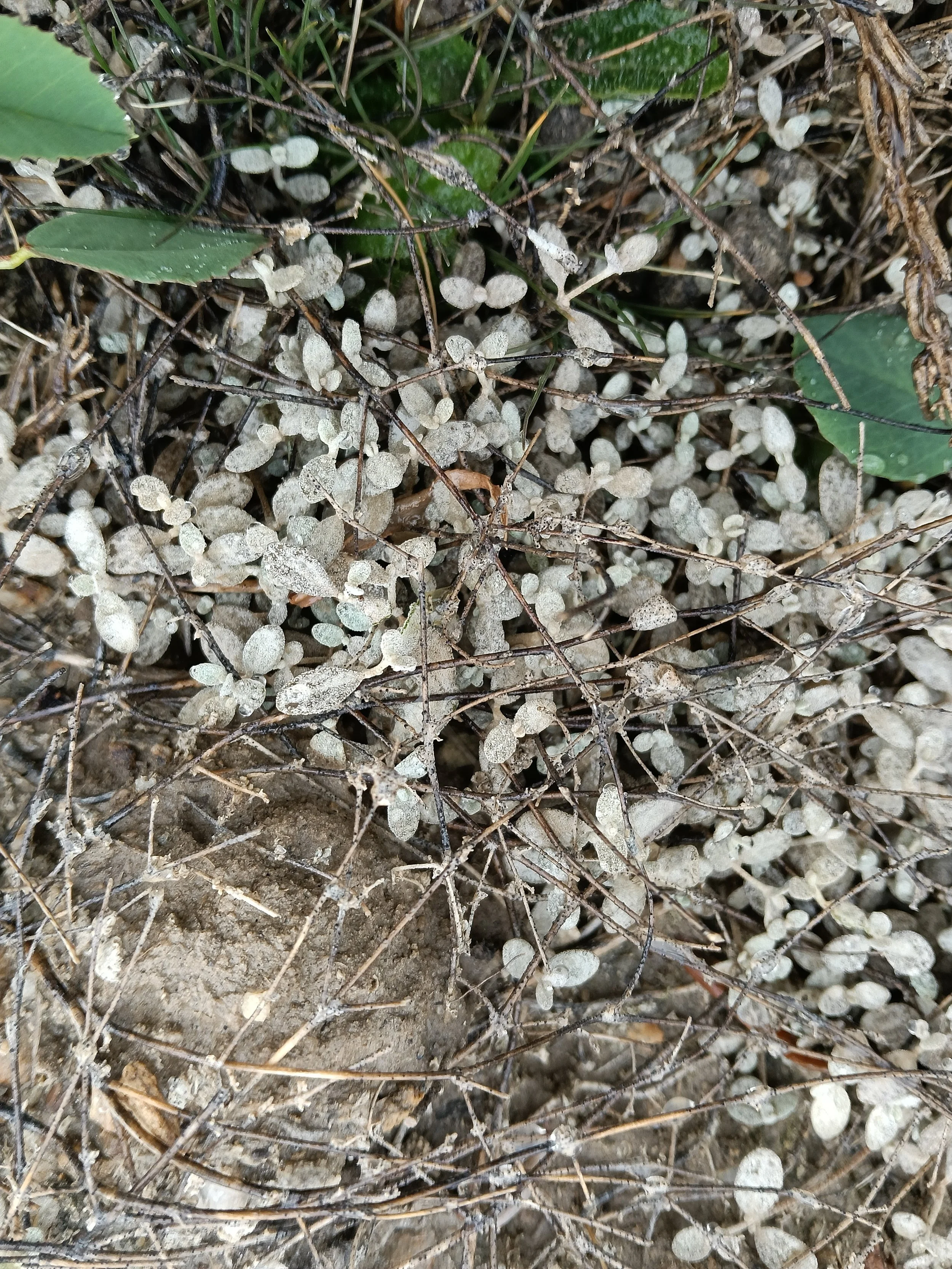
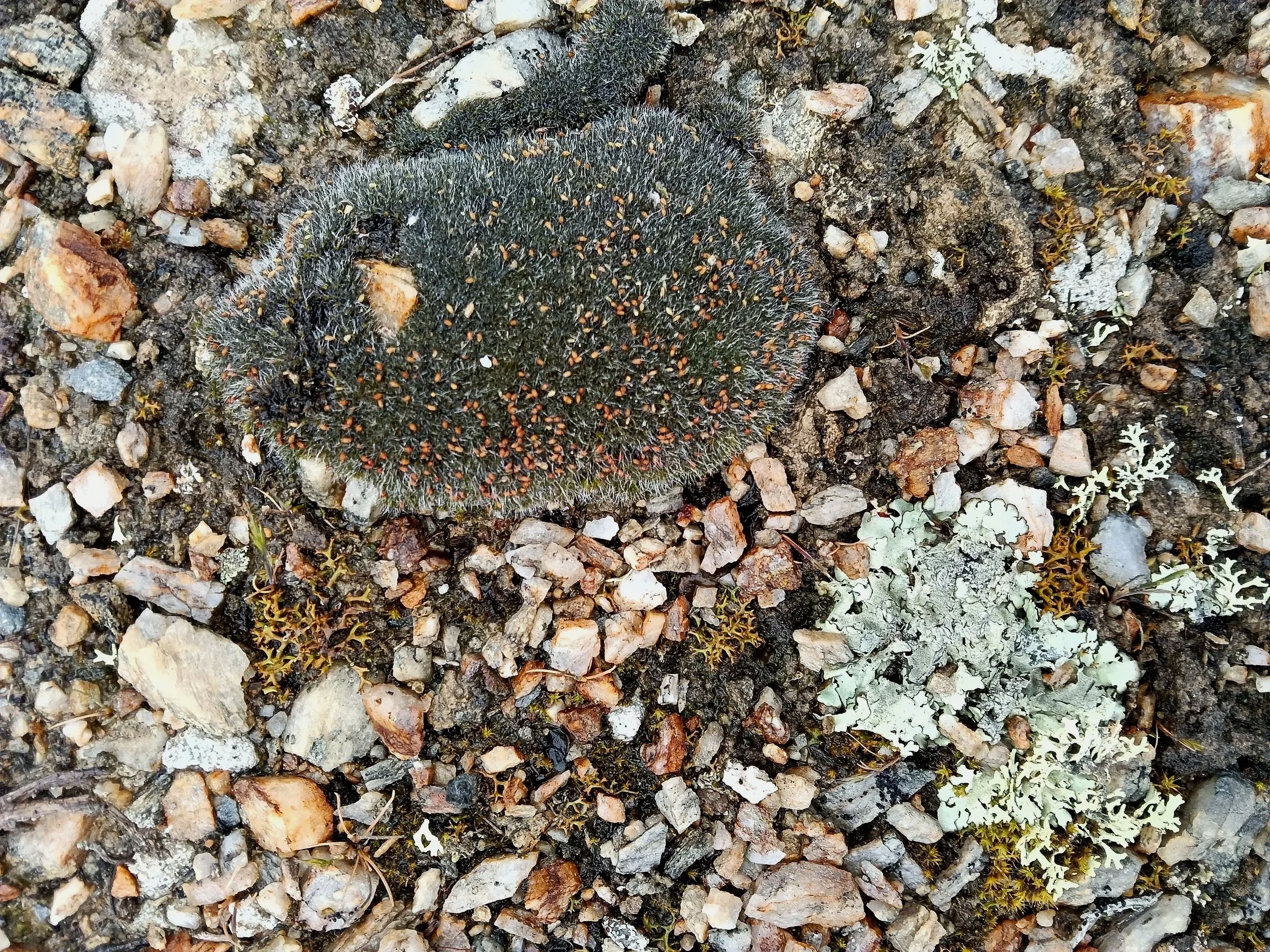
I met Anna and visited the Chapman Road DOC reserve on a rainy day, hunting for miniature native plants in a rare and delicate ecosystem. I learned to look closer, to notice the small precious things.

Then I sat with Christine over coffee and listened to her speak about water laws—how they shaped our past, our access to water, our responsibilities, our future.
These conversations are not research. I’m not writing a book or conducting an investigation. I’m educating myself—not to become an expert, but to be inspired. To make art that carries more weight. Art that connects. That invites people to feel something real. To see their own story reflected in the river’s flow.
Not to show off technique or chase aesthetic cuteness, but to honour the real Beauty of Nature, Water, and Rivers—and eventually start to understand our true place inside this complex biome.
Intertwined stories. Intertwined voices.
The sound of the rivers.
And so it begins…